 Policing.uk
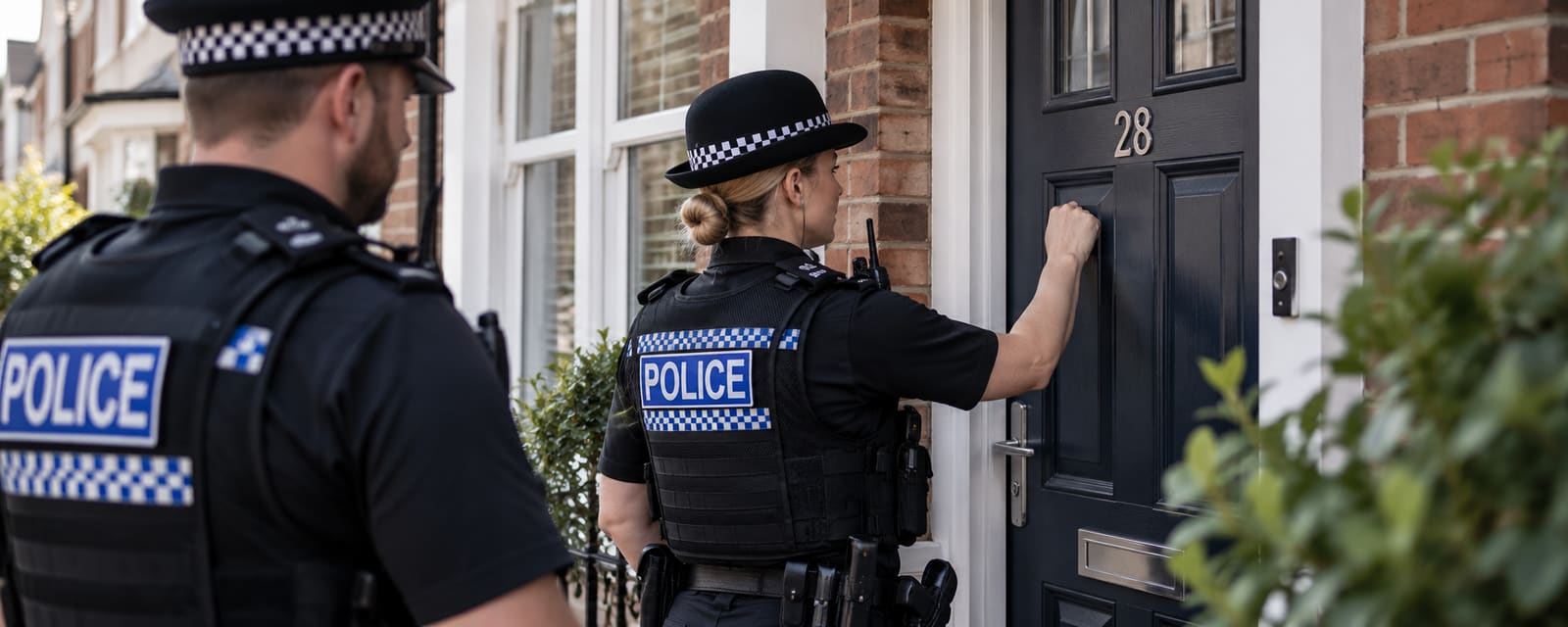
How do I complain about the conduct of a police officer in England and Wales?
Key points
- You can complain directly to the police force involved or to the IOPC
- The IOPC is the independent body that oversees the police complaints system
- Complaints should normally be made within 12 months of the incident
- Serious cases including death, serious injury, or corruption must be referred to the IOPC
- Local resolution is available for less serious matters
- Formal investigation applies to more serious or unresolved complaints
- Officers found guilty of misconduct can be dismissed
- Criminal conduct by officers can be referred to the Crown Prosecution Service
If you believe a police officer has behaved unlawfully or improperly, you have the right to make a formal complaint. The complaints system is governed by the Police Reform Act 2002 and the statutory guidance issued under it.
The first option is to complain directly to the police force involved. You can do this in writing, by email, or in person. The force must acknowledge your complaint and refer it to the appropriate person for handling. For less serious matters, this may be local resolution, where a manager from the force contacts you to discuss the complaint informally. For more serious matters, a formal investigation will be conducted.
The Independent Office for Police Conduct (IOPC) is the independent body that oversees the police complaints system. You can refer your complaint to the IOPC if: you are dissatisfied with how the force has handled your complaint, the matter is serious enough to require independent investigation, or the force has not responded within a reasonable period.
Certain categories of complaint must be referred to the IOPC by the force itself. These include any case involving death or serious injury, allegations of serious corruption, and specified sexual or discriminatory conduct. In these cases the IOPC may conduct its own investigation or manage one carried out by the force.
There are time limits: complaints must generally be made within 12 months of the incident, though this period can be extended if there are good reasons for the delay.
If your complaint involves criminal conduct by an officer, the IOPC can refer the matter to the Crown Prosecution Service. Officers found to have committed misconduct can face a range of sanctions including dismissal.
Key Points
- You can complain directly to the police force involved or to the IOPC
- The IOPC is the independent body that oversees the police complaints system
- Complaints should normally be made within 12 months of the incident
- Serious cases including death, serious injury, or corruption must be referred to the IOPC
- Local resolution is available for less serious matters
- Formal investigation applies to more serious or unresolved complaints
- Officers found guilty of misconduct can be dismissed
- Criminal conduct by officers can be referred to the Crown Prosecution Service
Related guides
Last updated 6 October 2026