 Policing.uk
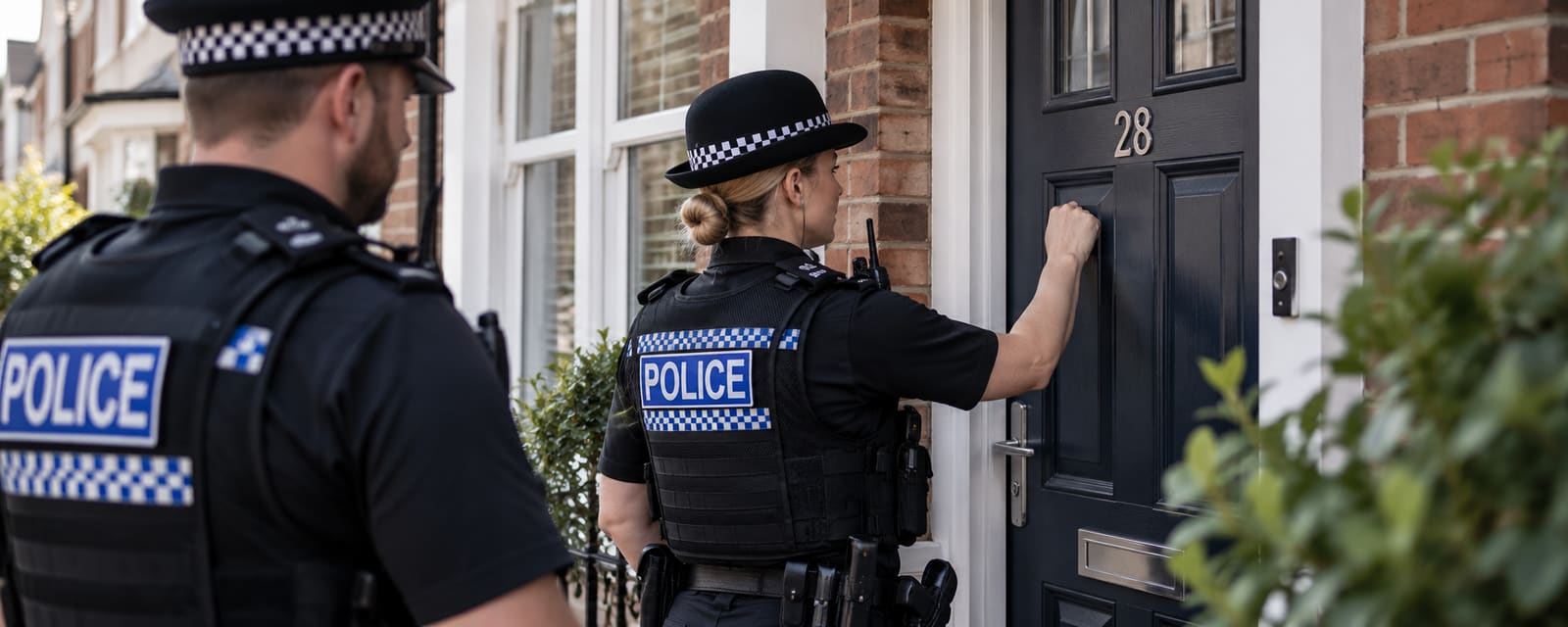
How long can the police hold me in custody without charging me?
Key points
- Standard maximum detention without charge is 24 hours for most offences
- A superintendent can extend detention to 36 hours for indictable offences
- A magistrates court can grant further warrants extending detention up to 96 hours total
- For terrorism offences, detention can last up to 14 days with court authority
- The custody clock starts when you arrive at the police station
- Reviews of detention must take place every six hours initially and nine hours thereafter
- You or your solicitor can make representations at each review
- You must be released if detention is no longer justified
The police cannot hold you indefinitely. The law sets strict time limits on detention without charge, and a custody officer must review your detention at regular intervals to ensure it remains lawful.
For the vast majority of offences, you can be held for up to 24 hours from the "relevant time". Under section 41 of PACE, the relevant time is whichever is earlier: the time you arrive at the first police station after your arrest, or 24 hours after the time of your arrest.
If the police need more time because they are dealing with an indictable offence, a superintendent or higher-ranking officer can authorise a further 12-hour extension, taking you to a maximum of 36 hours. Beyond that, the police must apply to a magistrates court for a warrant of further detention. A magistrates court can grant warrants taking the total detention period to a maximum of 96 hours (four days) without charge.
After 96 hours, the police must either charge you, release you on bail, or release you unconditionally. There is no general power to hold you beyond this point for non-terrorism offences.
For terrorism offences under the Terrorism Act 2000, the rules are different. An initial period of 48 hours is available, with extensions obtainable from a judicial authority and then a magistrates court, up to a maximum of 14 days.
Throughout your detention, a review officer of at least inspector rank must review whether continued detention is justified at six-hourly intervals for the first review and nine-hourly intervals thereafter. You or your solicitor can make representations at each review. If detention is no longer justified, you must be released immediately.
Key Points
- Standard maximum detention without charge is 24 hours for most offences
- A superintendent can extend detention to 36 hours for indictable offences
- A magistrates court can grant further warrants extending detention up to 96 hours total
- For terrorism offences, detention can last up to 14 days with court authority
- The custody clock starts when you arrive at the police station
- Reviews of detention must take place every six hours initially and nine hours thereafter
- You or your solicitor can make representations at each review
- You must be released if detention is no longer justified
Related guides
Last updated 6 October 2026