 Policing.uk
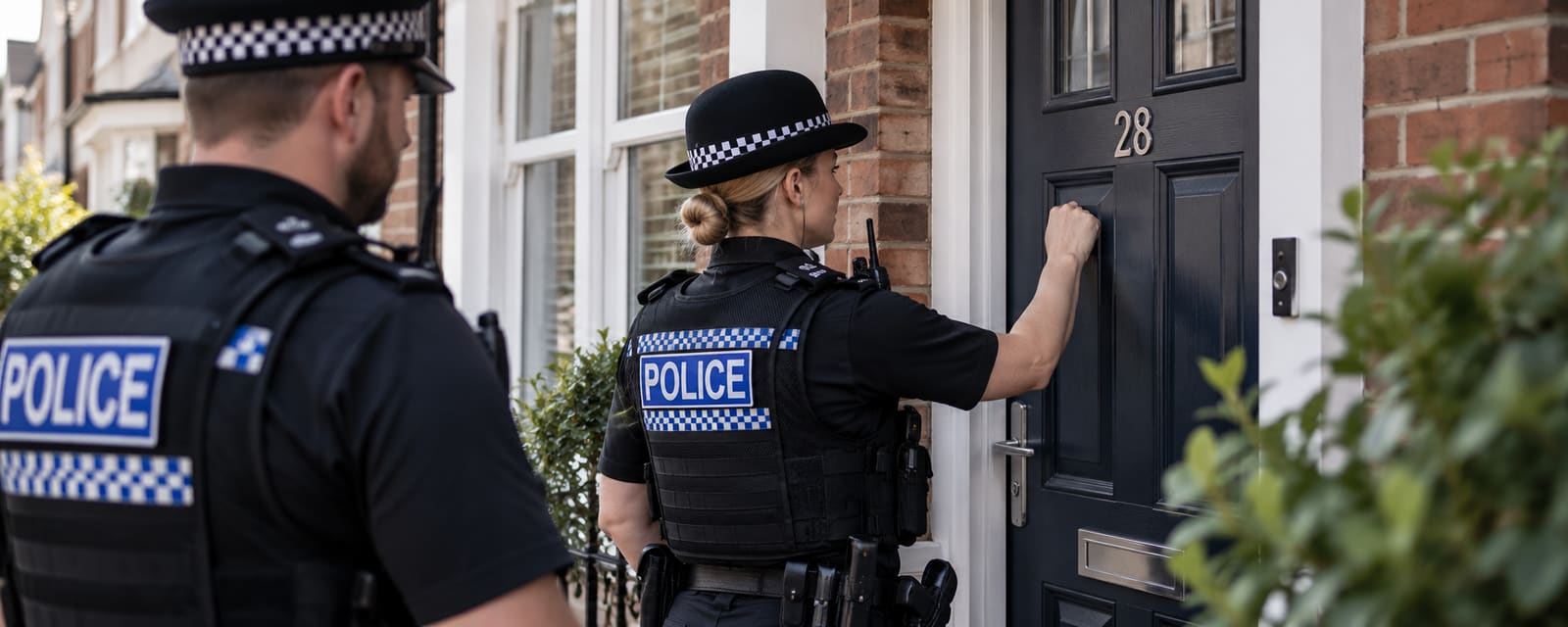
Is it illegal to film police in the UK?
No. There is no law in England and Wales that prevents you from filming police officers carrying out their duties in a public place. Officers have no power to stop you filming or to delete your footage.
The law
- Terrorism Act 2000, Section 58. Creates an offence of collecting information useful for terrorism. Does not apply to ordinary filming of police.
- Police Act 1996, Section 89(2). Offence to obstruct a constable in execution of duty. Filming alone does not constitute obstruction.
- Police and Criminal Evidence Act 1984, Sections 19 and 32. Powers of seizure. An officer can only seize a device if they have lawful grounds (e.g., evidence of an offence).
What to do
- Stay calm and continue filming from a reasonable distance.
- If asked to stop, you can politely explain there is no law preventing you from filming in a public place.
- Do not physically obstruct officers or interfere with their duties.
- If your device is seized, ask for the officer's name, number, and the legal basis for seizure.
- If you believe your rights were breached, contact the IOPC or a solicitor.
In detail
There is no statute in England and Wales that makes it an offence to film, photograph, or record police officers in public. The College of Policing has issued guidance confirming that members of the public have a right to film officers and that this right should not be restricted without good reason.
The only exception is under s.58 of the Terrorism Act 2000, which makes it an offence to collect information "of a kind likely to be useful to a person committing or preparing an act of terrorism." However, the Metropolitan Police and the Crown Prosecution Service have both confirmed that simply filming an officer on duty does not meet this threshold. The offence requires a connection to terrorism, not merely the act of recording.
Officers sometimes ask people to stop filming, citing the Data Protection Act 2018 or the right to privacy. While the Data Protection Act does regulate the processing of personal data, it contains an exemption for domestic purposes (Schedule 2, Part 1, paragraph 2) and for journalism, academic, artistic, and literary purposes (s.174). Filming police in public generally falls outside the scope of data protection enforcement.
If an officer asks you to stop filming, you are not legally obliged to comply unless you are obstructing them in the execution of their duty (s.89(2) Police Act 1996). Standing at a reasonable distance and filming does not constitute obstruction. If an officer seizes your device, they must have lawful grounds under PACE 1984 s.19 (seizure of evidence) or s.32 (search on arrest).
The position differs slightly on private land. A landowner or occupier can ask you to stop filming on their premises and can ask you to leave. But a public highway, park, or public building foyer is generally a public place for these purposes.
In practice, filming police encounters can serve as valuable evidence in complaints, civil claims, or criminal proceedings. The Independent Office for Police Conduct (IOPC) encourages the recording of police encounters where appropriate.
Related questions
Last updated 16 October 2026